Planning Support



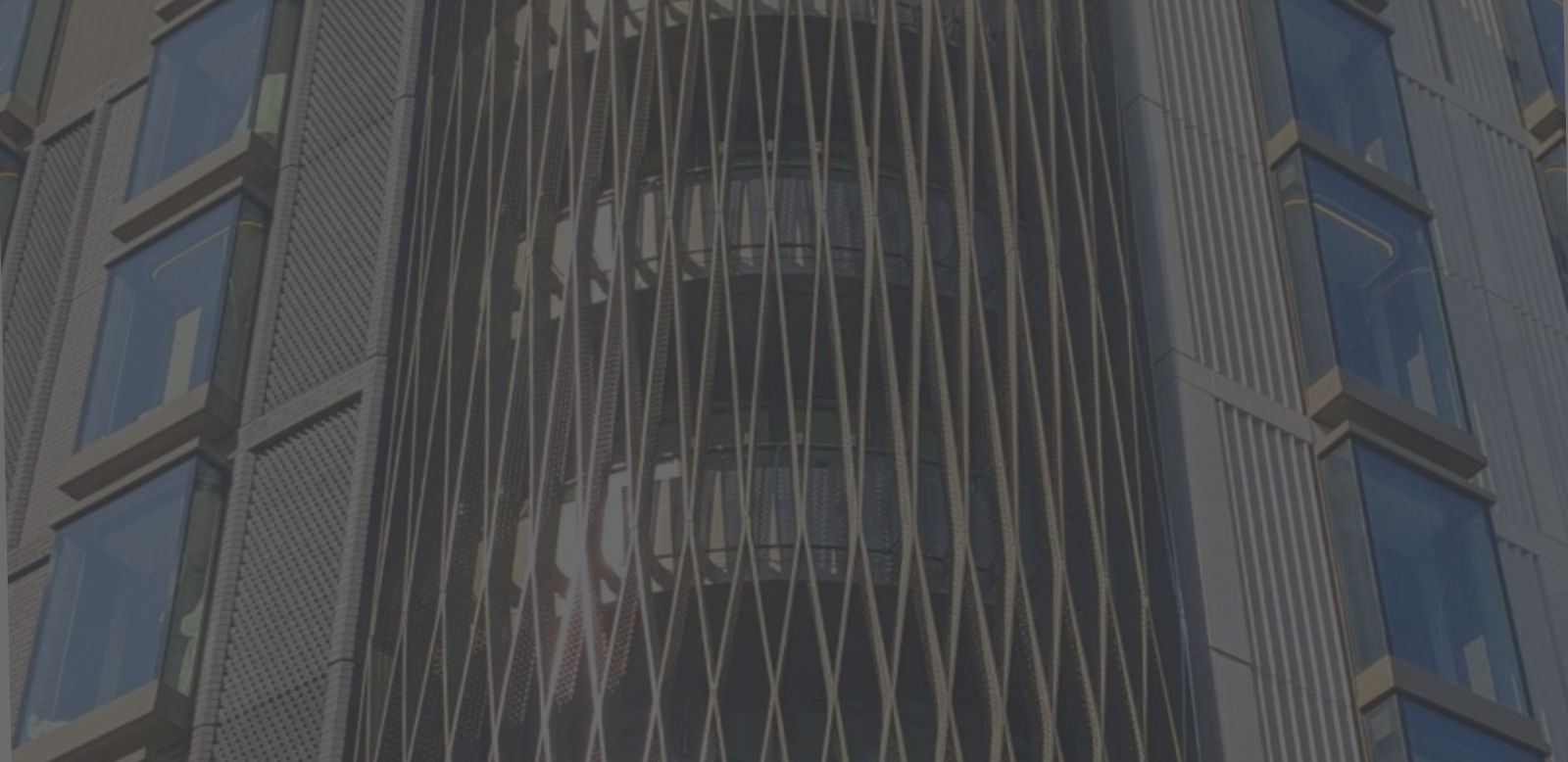
A well-designed facade is critical to safety, comfort and whole-building performance. Our team supports you at every stage, developing integrated facade solutions that respond to regulations, environmental targets and the unique demands of your project.



We provide comprehensive facade engineering services across all RIBA stages, ensuring designs that meet aesthetic, structural, thermal and regulatory requirements. Our expertise spans concept development, performance analysis, detailed engineering, procurement support and construction oversight. Through advanced modelling tools, rigorous compliance checks and a collaborative approach, we deliver facades that combine durability, efficiency and architectural intent.
Our team brings technical excellence to facade design and delivery, supporting architects, developers and contractors in achieving robust, buildable and future-proof enclosure solutions.
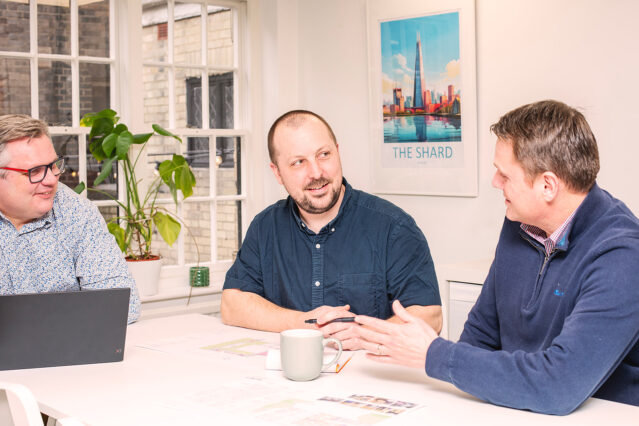
We take a proactive, solutions-led approach to facade engineering, helping project teams navigate the technical challenges that come with complex envelopes. By integrating early with architects, structural engineers and fire specialists, we resolve critical interfaces and identify risks before they affect cost or programme.
Our team draws on expertise in areas such as material durability, environmental performance, facade movement, fire spread pathways and acoustic control to guide decisions at the right time. As projects progress, we provide the technical assurance needed for procurement, testing and installation, ensuring the final facade performs as intended.
Here are some of the most common questions we’re asked about facade engineering.
The facade refers specifically to a building’s elevations, usually the visible faces or frontages. The exterior is a broader term that includes the facade, as well as elements such as the roof, canopies and external walkways.
Facade consultancy adds the most value when considered alongside other disciplines. It helps define the performance requirements of the external envelope, considering factors such as fire, acoustics, security, access and maintenance as a combined system rather than in isolation.
Early input also helps set the right materials at the right stage. This can have a significant impact on overall project cost. Facades typically account for around 10–30% of total construction cost, so informed decisions early on can make a meaningful difference.
We define clear performance requirements from the outset and verify them through a combination of testing, assessment and specification.
This can include performance mock-ups of typical facade elements, weather tightness testing in line with recognised standards such as CWCT Sequence B, and benchmarking of cladding materials. Visual mock-ups may also be used to confirm the intended appearance.
These requirements are set out within the facade specification and incorporated into the Employer’s Requirements. The cladding contractor must then demonstrate compliance for review and approval by the design team.
Yes. The facade forms the external envelope of a building and is one of the most important factors influencing its energy performance.
It plays a key role in controlling heat loss and gain, air leakage, daylight and solar shading. Together, these affect how much energy a building needs for heating, cooling and lighting.
Good facade design also considers insulation levels, glazing types and how different elements connect. This helps reduce heat loss, limit overheating, and improve overall efficiency while maintaining comfort for the building’s occupants.
Yes. Ensuring the facade complies with Building Regulations is a fundamental requirement on any project.
We review designs against the relevant requirements and support the design team in meeting them. We also look beyond minimum compliance, advising on opportunities to enhance performance in areas such as sustainability and circularity.
Yes. We carry out condition surveys to assess the current state of the facade and identify any issues.
From there, we advise on appropriate remediation measures to improve performance, address compliance where needed and enhance the overall value of the development.
Facade condition surveys can be either intrusive or non-intrusive, depending on the level of detail required. Both approaches are used to assess the facade’s condition, performance, maintenance requirements and any associated risks.
These surveys are typically carried out to support purchase due diligence, asset management, FRAEW (Fire Risk Appraisal of External Walls) and refurbishment planning.
CDC have been working with the University on a number of difficult schemes, schemes where SKA Gold has been achieved or is being targeted. At all times CDC provided professional and considered advice, fully appreciating project timescales and collaboratively working with the wider project team
David Norman – University of Worcester
















All the latest industry highlights, company insights and project stories.