Energy Performance Certificate (EPC)
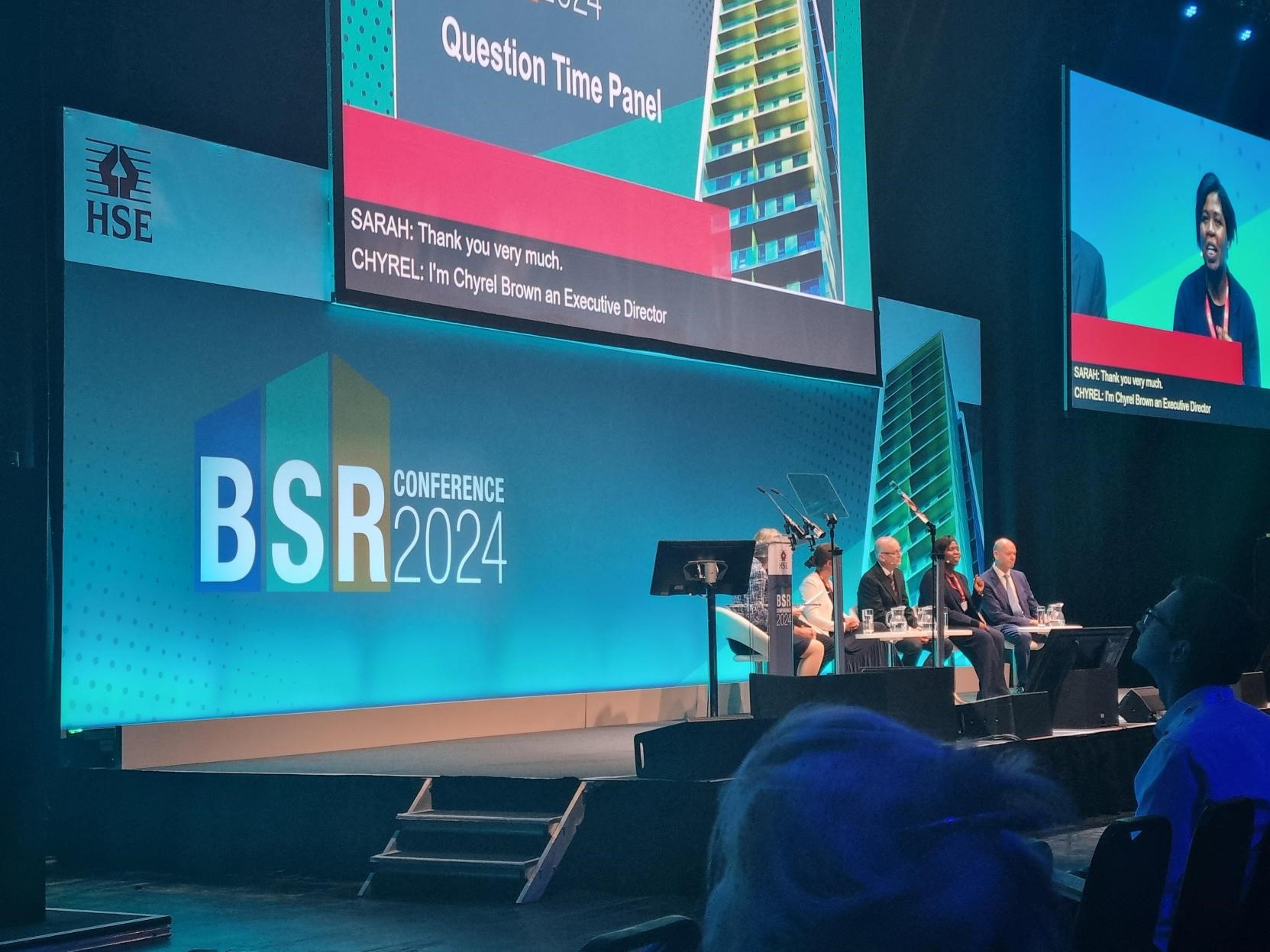
A clear, certified record of your building’s energy efficiency, required when selling, renting or completing a new development.


A clear, certified record of your building’s energy efficiency, required when selling, renting or completing a new development.
An Energy Performance Certificate (EPC) is a legally recognised measure of a building’s energy efficiency. Required when selling, renting or completing most new buildings, it provides an energy rating from A to G together with information on likely energy costs, carbon emissions and opportunities for improvement.
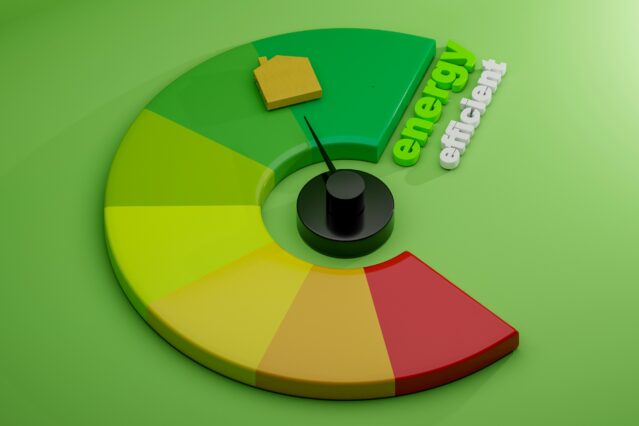
EPCs are produced using approved energy assessments: SAP calculations for residential developments and SBEM calculations for commercial buildings. These assessments evaluate how a building is designed and constructed, considering factors such as insulation, glazing, heating systems and lighting efficiency. The resulting EPC provides a simple, standardised way of understanding and comparing energy performance.

An EPC is required whenever a property is built, sold or rented in England and Wales, subject to a limited number of exemptions. Responsibility for obtaining a valid EPC rests with the building owner, landlord or developer, depending on the circumstances.
For new buildings, an EPC is normally required as part of the completion process. The developer is responsible for commissioning the underlying SAP or SBEM assessment and obtaining the EPC before the building is occupied, sold or let.
For existing buildings, the seller or landlord is responsible for ensuring a valid EPC is available before a property is marketed for sale or rent. The EPC provides prospective purchasers or tenants with information about the building’s energy efficiency, likely running costs and potential opportunities for improvement.
An EPC remains valid for 10 years unless a new assessment is commissioned, although many building owners choose to obtain an updated EPC following energy efficiency improvements to reflect the building’s improved performance.
We undertake the appropriate energy assessment for your building, using SAP for residential developments and SBEM for commercial buildings. These calculations assess the energy performance of the building fabric and services, including insulation, glazing, heating, ventilation, cooling and lighting systems.
The results are then used to generate the EPC, providing the property’s official A to G energy rating together with recommendations for improving energy efficiency. Where assessments are undertaken during the design stage, the results can also help inform design decisions and identify opportunities to enhance the building’s performance before construction is complete.
You’ll receive a valid Energy Performance Certificate, along with the underlying SAP or SBEM calculation behind it, and recommendations for improving the building’s energy performance where relevant.
You’ll work directly with an accredited energy assessor from our building physics team, who will guide you through the EPC process and explain what your rating means for your property.

HEAD OF ACOUSTICS

MANAGING DIRECTOR
A few common questions about EPCs. Get in touch if yours isn’t covered here.
Not necessarily. If a valid EPC already exists for the property, it can usually be reused for subsequent sales or lettings until it expires. A new EPC is generally only required when the existing certificate has expired or where a property owner wishes to obtain an updated rating following significant alterations or energy efficiency improvements.
An EPC is valid for 10 years from the date it is issued. During this period, it can normally be used for multiple sales or lettings of the same property.
A lower EPC rating does not necessarily prevent a property from being sold or rented. However, minimum energy efficiency standards may apply to certain rented properties. If a building achieves a lower rating than expected, we can advise on practical measures that may improve performance, such as upgrading insulation, improving glazing, replacing inefficient building services, or incorporating low-carbon technologies.
A SAP or SBEM calculation is the detailed assessment used to evaluate a building’s energy performance. SAP calculations are used for residential buildings and dwellings. SBEM calculations are used for commercial buildings such as offices, retail units and industrial premises. The EPC is the certificate produced from these assessments, providing an easy-to-understand energy efficiency rating from A to G.
The final EPC is generally produced once construction is complete and the building’s as-built specification has been confirmed. However, SAP and SBEM calculations are usually undertaken during the design stage, allowing the anticipated EPC rating to be reviewed and, where necessary, improved before construction begins.
Not exactly. An EPC provides a standardised assessment based on the building’s design, construction and services. Actual energy consumption and operating costs will vary depending on how the building is occupied, maintained and used.
Yes. Where assessments are undertaken during the design stage, we can review the proposed construction and building services strategy and identify measures that may help improve the anticipated EPC rating before the building is completed. This can often be a more cost-effective approach than making changes later in the project.
All the latest industry highlights, company insights and project stories.

05 Dec 24
Understanding the roles of a Principal Designer: CDM Regulations vs. Building Safety Act
Read more