Daylight & Sunlight Assessments
Assessing natural light within your development and its impact on surrounding properties.


Assessing natural light within your development and its impact on surrounding properties.
Daylight and sunlight assessments evaluate how much natural light a building will receive and how a new development may affect the daylight and sunlight available to neighbouring properties. As part of our wider building physics service, these assessments provide robust evidence that a scheme delivers a good standard of amenity for future occupants while appropriately considering its surroundings.
Natural light plays an important role in occupant wellbeing, comfort and quality of life. Early assessment helps identify potential issues before planning submission, reducing the risk of delays and supporting informed design decisions. In simple terms, this work helps ensure that new developments provide bright, usable spaces while avoiding unreasonable impacts on neighbouring buildings.

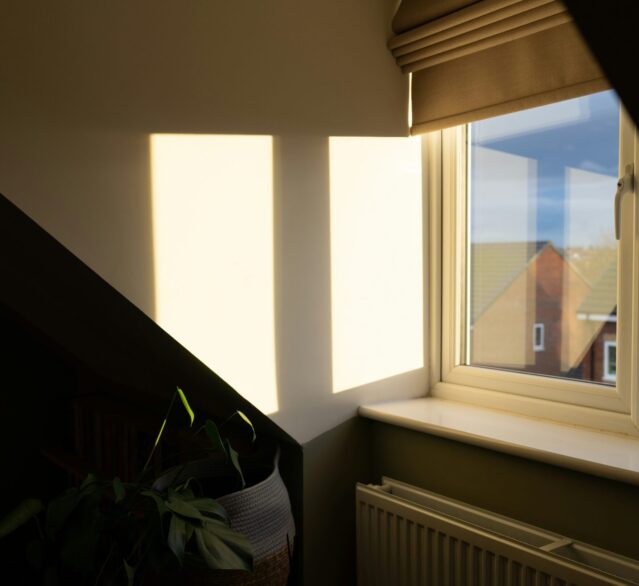
A daylight and sunlight assessment is commonly required to support a planning application where a proposed development could affect neighbouring properties or where evidence of adequate daylight provision is needed within the proposed development itself. Assessments are also frequently undertaken during the design process to optimise building performance, support sustainability objectives, respond to planning concerns, or provide technical evidence during planning appeals and Rights of Light reviews.

You’ll receive a comprehensive daylight and sunlight assessment report suitable for planning submission. The report quantifies the effects of the proposed development on neighbouring properties and, where required, demonstrates the adequacy of daylight provision within the development itself.
Our reports clearly present the assessment methodology, results and conclusions, helping planning officers, consultees and stakeholders understand the impacts of the scheme and supporting a smooth planning process.
We assess daylight and sunlight impact in line with guidance set out in:
Depending on the nature of the development, assessments may include:
Using detailed 3D modelling and recognised assessment methodologies, we identify potential impacts and provide practical advice to help optimise design proposals where necessary.
You’ll work directly with an experienced building physics engineer throughout your daylight and sunlight assessment, with clear advice and technical support at every stage of the project.

HEAD OF ACOUSTICS

MANAGING DIRECTOR
A few common questions about daylight/sunlight assessments. Get in touch if yours isn’t covered here.
A daylight and sunlight assessment evaluates how a proposed development may affect the amount of natural light received by neighbouring properties and, where required, whether the proposed development itself will receive adequate levels of daylight. The assessment is typically used to support planning applications and inform design decisions.
Assessments are commonly required where a development introduces additional height, massing or is located close to neighbouring buildings. A local planning authority may request an assessment as part of a planning application, although many developers choose to undertake assessments earlier to identify potential issues and optimise the design before submission.
Not always. Requirements vary between local authorities and depend on the nature and location of the development. Even where not explicitly requested, an assessment can help demonstrate that a scheme provides.
Not necessarily. BRE guidance is widely recognised as industry best practice, but it is not generally applied as a strict pass-or-fail assessment. Planning authorities consider the results alongside factors such as site context, local policy, housing need and the overall benefits of the development.
Yes. Assessments are often undertaken during the design process to identify and resolve issues before planning submission. Changes to building massing, window locations, setbacks or layout can often improve performance while maintaining the overall design intent.
VSC measures how much sky is visible from a window and is used as an indicator of available daylight. It is one of the principal metrics used to assess the impact of a development on neighbouring properties.
APSH assesses how much direct sunlight a window receives throughout the year. It is commonly used to evaluate sunlight impacts on neighbouring residential properties and external amenity spaces.
ADF is a measure of the average amount of daylight available within a room. It is used to assess whether proposed internal spaces are likely to receive adequate natural light and provide comfortable environments for occupants.
The earlier the better. Undertaking an assessment during concept or pre-application design stages can identify potential issues before planning submission, reducing the likelihood of redesign, delays or planning objections.
No. Daylight and sunlight assessments are generally planning-related exercises that consider amenity and design quality. Rights of Light assessments relate to a property owner’s legal entitlement to light and are assessed against different criteria.
All the latest industry highlights, company insights and project stories.
05 Dec 24
Understanding the roles of a Principal Designer: CDM Regulations vs. Building Safety Act
Read more