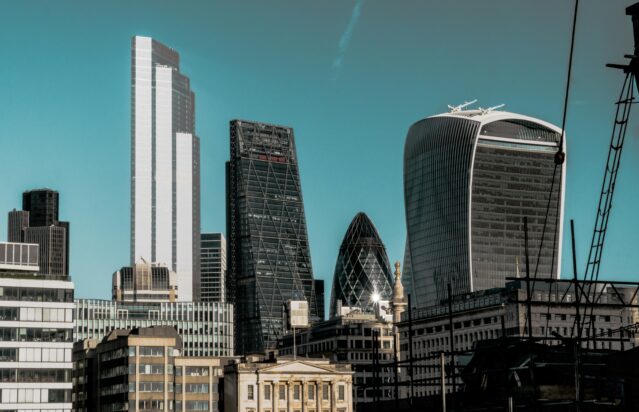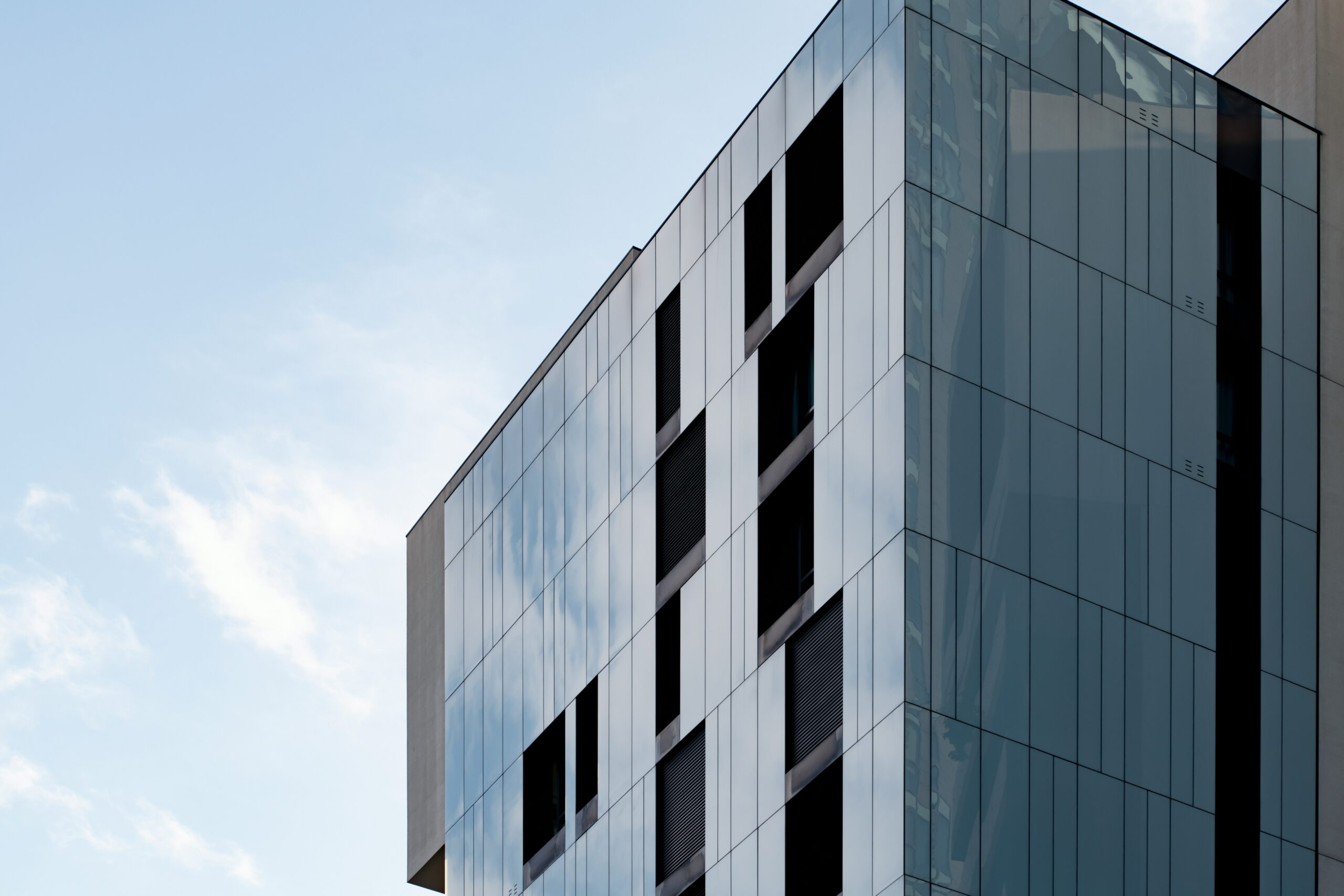

When we look at a building, the first impression often comes from its facade – its aesthetics, style, materials and decoration. The facade goes far beyond just the visuals. It acts as a boundary between architecture and the environment. It helps to manage insulation, light, acoustics, energy and long term durability.
Over time, facades have changed from simple protective layers into carefully designed systems. Today, they bring together architectural ideas and engineering precision to balance appearance, performance and sustainability in a practical way.
How facades respond to their environment
A building doesn’t exist in isolation. It interacts with climate, culture and context. The facade is where all of the influences come together. It responds to:
Climate: Controlling heat, light and ventilation to affect comfort and overall energy performance.
Culture: Reflecting local traditions, materials and construction methods to give the building a sense of ‘place’.
Urban Context: Designing an exterior that blends in with or challenges nearby buildings.
The relationship between architecture and its environment is dynamic. In hot climates like Dubai, facades often focus on solar shading and cooling. In colder locations such as Stockholm, the emphasis shifts to insulation and making the most of the natural daylight, Every design choice reflects conditions around the building.
How facades have evolved
Historically, facades were largely decorative – think of Gothic cathedrals and Baroque palaces. These facades were usually built from stone or masonry and often supported their own weight.

Today, facades play a different role. Modern facades focus beyond appearance, designed as high performing building systems. They help to improve thermal efficiency, control noise, and support more complex architectural forms. Many now also include smart technologies such as responsive glazing, solar shading and integrated solar panels. This reflects a wider shift in how buildings are designed to withstand real world conditions.
Turning design ideas into buildable solutions
Architects often start with ambitious ideas or bold concepts such as curved forms, transparent skins, and kinetic surfaces. Facade engineers make this into something buildable.
This work starts with choosing the right materials. The aim is to balance appearance with durability, performance and cost. Engineers then look closely at structural behaviour, checking how the facade will respond to wind, temperature changes, and other loads over its lifetime.
Good detailing is also essential. This includes how panels connect, how movement is allowed, and how water is managed. Facade engineers also coordinate closely with other disciplines such as mechanical services and fire safety to make sure everything works together without conflict.
Sustainability now plays a much bigger role in modern engineering. Facades are increasingly designed so they can be assembled more efficiently, and taken apart at the end of their life. This supports reuse, refurbishment, and recycling rather than a full replacement. In some cases, facade components are tagged using technologies such as RFID or QR codes, making it easier to track materials and plan for future reuse.
Many well known buildings would never have moved beyond early concepts without this level of engineering input. Today, facade engineering focuses just as much on long term performance and end of life considerations as it does on bringing bold design ideas into reality.
How facades support sustainability and low energy design
Facades play a central role in sustainable building strategies. As buildings are expected to use less energy and reduce carbon impact, facade design has become an important part of how this is achieved.
Some key innovations include:
Integrated photovoltaics – Solar panels can be built directly into facade or cladding systems, allowing the building envelope to generate electricity. This helps make better use of vertical surfaces, especially on large commercial buildings.
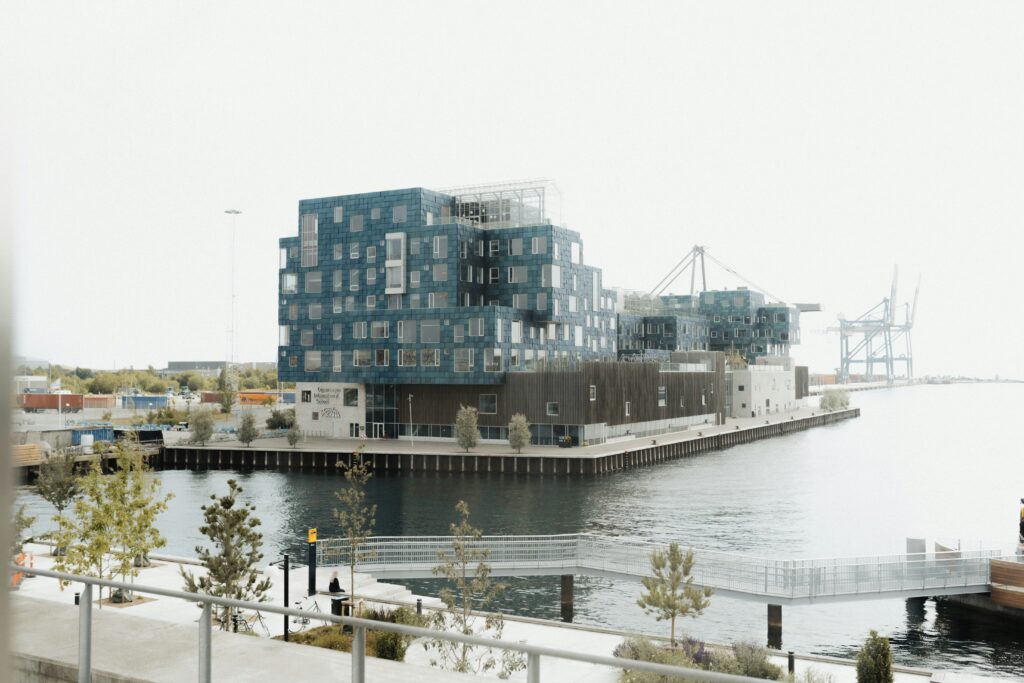
Dynamic glazing systems – Certain types of glazing can adjust their transparency to control heat and glare throughout the day. Technologies such as electrochromic, suspended particle devices and liquid crystal glass can respond to changing weather conditions. These systems are often linked to the building management system to support year round energy efficiency.

Biophilic and green facade design – Facades that incorporate planting, green walls, or living ecosystems can provide natural shading and cooling. In urban environments, they can also help improve air quality and reduce noise.
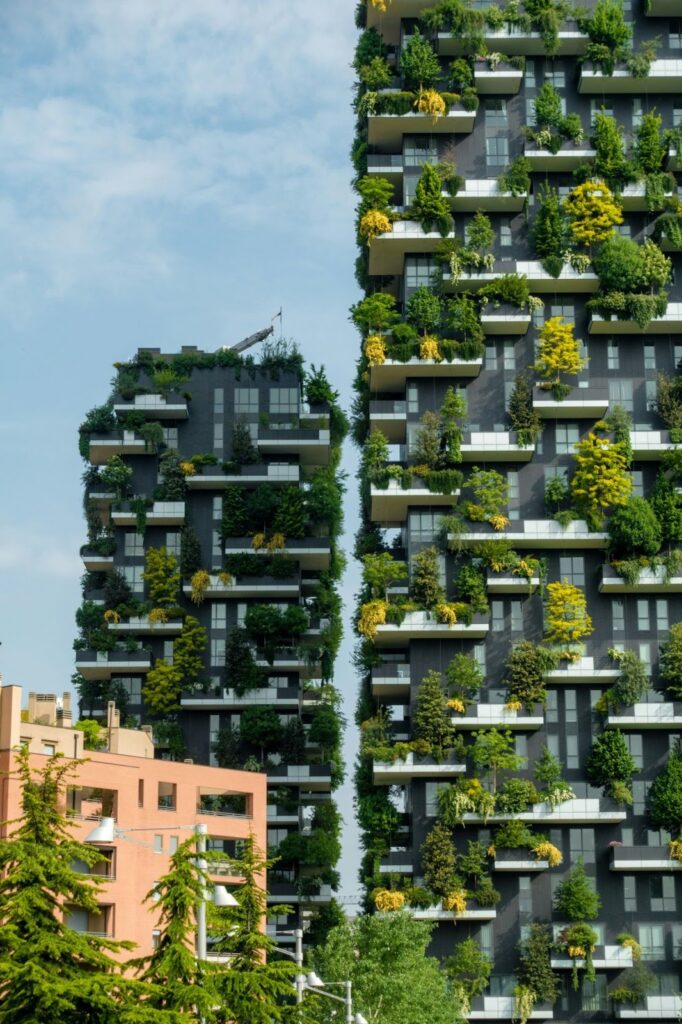
These approaches show how facades now contribute directly to sustainability, combining environmental performance with thoughtful design.
What the future holds for facade design
Facade design continues to evolve as buildings become more intelligent and adaptable. Future facades are expected to respond more actively to their surroundings, supporting energy efficiency, long term performance, and changing patterns of use.
Some of the key trends shaping this shift include: Responsive facade systems – facades that react to weather conditions and building occupancy.
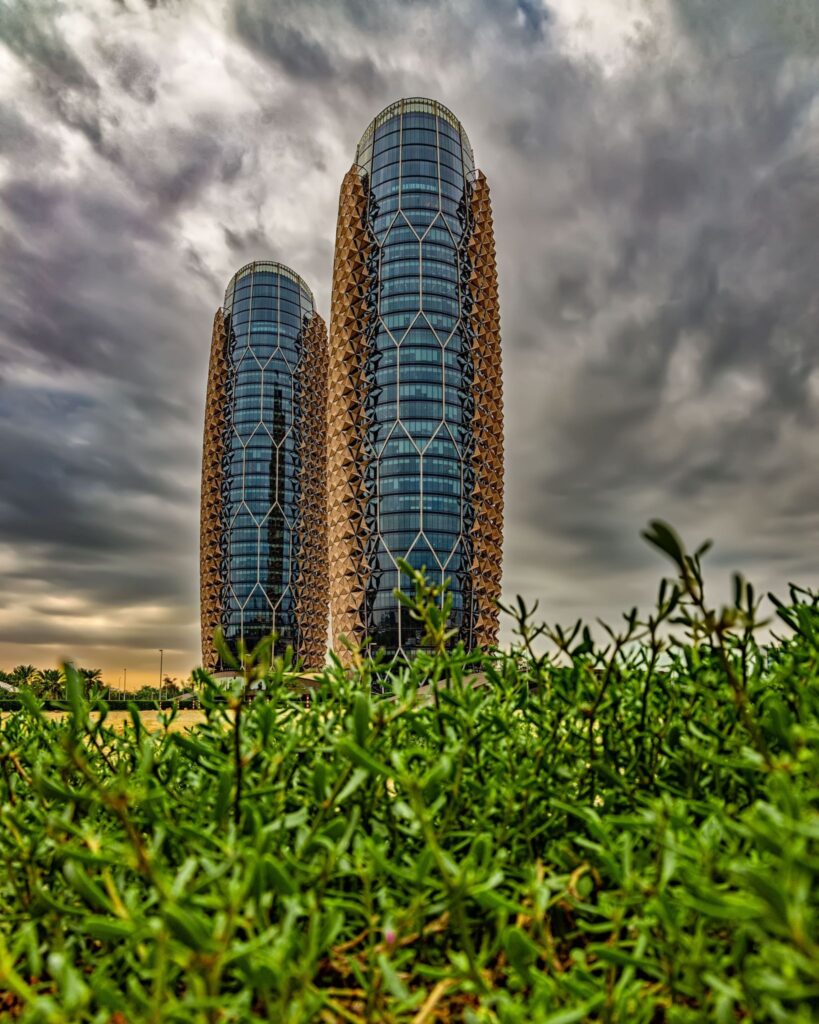
Integrated AI – The use of predictive tools to manage energy use more efficiently.
Circular materials and construction – Facade systems designed to be reused or recycled at the end of their life.
Urban integration – Facades that support additional functions, such as generating energy or accommodating planting and vertical growing systems.
End of life tracking – Components designed to last through multiple life cycles and be tracked so future reuse of refurbishment can be planned more easily.
As facades move from passive building elements to more dynamic systems, new challenges come with them. Long term maintenance, glass replacement, and managing components at the end of their life all need careful consideration. This is why there is a growing focus on simpler, modular designs that balance innovation with practicality.
Facade engineering expertise from Cahill Design Consultants
A facade is far more than a skin. It’s a complex, multi-layered system that sits at the meeting point between architecture and the environment. This is where design intent, technical performance, and real world conditions all come together.
Good facade engineering helps turn ambitious ideas into practical, buildable solutions, It supports long term performance, sustainability, and compliance, while respecting the architectural vision behind the project.
If you’re planning a project and need clear, pragmatic advice on facade engineering, the team at Cahill Design Consultants can help. We work closely with design teams to develop facade solutions that perform as well as they look.
Get in touch with us to discuss your project by calling +441206 809598 or sending an enquiry online.