
We’ll guide you through each stage of your building safety journey.

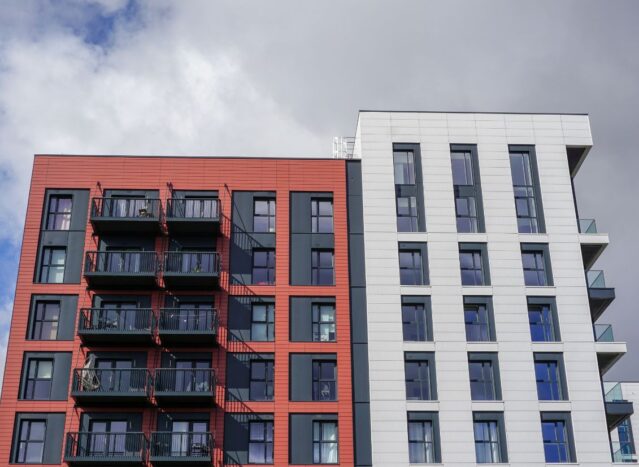
The Grenfell tragedy saw the implementation the Building Safety Act 2022. The Act is designed to ensure that all High-Risk Blocks (HRB’s) within scope (at least 18m or 7 storeys and with at least 2 residential units) adhered to the new safety legislation.
Many organisations are finding the change in legislation hard to grasp and require guidance. We have the relevant experience and expertise to hold your hand through, what to many, is a very daunting process.
The Building Safety Regulator (BSR) requires every High-Risk Building
(HRB) in scope to be registered with them.
The criteria for buildings in scope is that they must be at least 18m
height or 7 storeys and with at least 2 residential units.
This is the tool that tells you the status of the HRB in terms of the Building Safety Act (BSA) it will tell you the current status and what actions you require to enable you to submit a Building Assessment Certificate to the BSR when called upon.
Read our article to find out more about how a gap analysis can help you.

Following the Gap analysis, you are required to produce a report which proves that the HRB is compliant with the BSA both in fire safety and structurally.
We can also help with any reports or documentation required for the Building Safety Case ie:
The Resident Engagement Strategy and Mandatory Occurrence Strategy are required documents that need to be submitted to the Building Safety Regulator along with the Building Safety Case Report when applying for the Building Assessment Certificate (BAC).
View our Building Safety Cases page for more details.
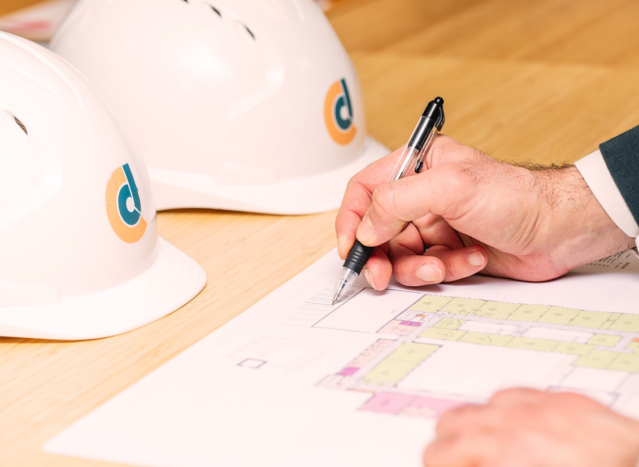
CDC offer Building Safety Act Principal Designer services, whether it is full PD services across Gateways 1,2 and 3 or for Gateway 2 applications.
The new legislation can seem quite daunting, we are here to help guide you through.
Not sure of the differences between a PD role under CDM Regulations and Principal Designer under the Building Safety Act – read our handy guide here.
Here are some of the most common questions we’re asked about building safety.
The Building Safety Act 2022 was introduced after the 2017 Grenfell tragedy to improve safety and accountability across the construction and property sectors.
While parts of the Act apply to all buildings, it mainly focuses on higher risk residential buildings (HRBs). It sets out a new framework for managing fire, structural and other safety risks throughout a building’s life.
The Act also created the Building Safety Regulator, which has legal powers to oversee and enforce building safety requirements.
For higher risk buildings, the Act requires:
In practice, the Act has prompted a wider shift across the industry towards clearer accountability, compliance, and ongoing, proactive building safety management.
Under the Building Safety Act, a Higher Risk Building (HRB) is a multi-occupied residential building that is either:
These buildings are subject to stricter safety requirements because the potential risk to life is greater if a fire, structural failure, or other safety issue occurs.
The dutyholder must register the building with the Building Safety Regulator (BSR) and meet a range of legal responsibilities. These include maintaining a clear “golden thread” of safety information, ensuring all dutyholders are competent, and carrying out ongoing safety reporting.
HRBs must also submit a Building Safety Case Report to the regulator. If this is accepted, the building receives a Building Assessment Certificate, which must be displayed in a visible location for residents and visitors.
The regulator may reassess the building periodically, often around every five years. Reviews can also happen sooner if significant changes occur, such as building works, a change in ownership or responsible persons, or safety concerns being raised.
Gateways are key checkpoints introduced by the Building Safety Act to ensure safety is considered at every stage of a higher risk building project.
There are three gateways:
Gateway 1 – Planning
Fire safety must be considered during the planning stage. A Fire Statement is submitted to demonstrate how fire safety has been addressed in the early design.
Gateway 2 – Pre-construction
Before building work can start, detailed design information and evidence of compliance must be submitted to the Building Safety Regulator. This usually takes place after RIBA Stage 4.
Gateway 3 – Completion and occupation
This stage confirms that the building has been constructed in line with the approved Gateway 2 plans and complies with the Building Regulations 2010. Only once this approval is granted can the building be occupied.
Together, these gateways introduce structured oversight at key stages of design, construction and operations so that safety risks are properly addressed before the project moves forward.